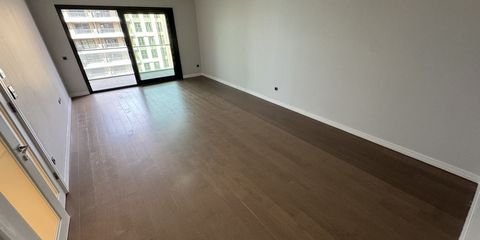
Buyers make most of the decision in the first few minutes inside a flat; the rest of the viewing confirms or demolishes that impression. Almost nothing that sets it is expensive. It is a short list of small jobs, done in the right order.
If you live in Istanbul, that list is a weekend of nuisance. From London or Dubai or Singapore it is a different problem: not which paint colour, but whom you let into your flat, how you judge work you will never see, and how you pay for it. So this guide runs longest-lead-time first, then what you can organise from a laptop, then what needs a person in the room.
Start with the paperwork, because it waits for nobody
Physical preparation is visible, so it gets done first. The document file is invisible, gets left to the end, and is the one thing that can stall an agreed deal. Start it the day you decide to sell.
A serious buyer, or their bank, will ask for:
- The tapu (title deed) and iskan (occupancy permit) position, including any annotation on the deed
- The DASK policy (compulsory earthquake insurance) in force, plus any building earthquake assessment
- The energy performance certificate
- The aidat (the building's monthly service charge) statement, and any major-works decisions in the building's decision book: facade, lift replacement and the like
Then one item a resident seller does not need. If you will not be at the registry appointment yourself, you need a power of attorney, granted through a Turkish consulate or through a local notary and an apostille chain — reliably the slowest thing in the file. What it must say is in our guide to selling your Istanbul property from abroad.
The file is a negotiating position: an answer with a document attached stops the buyer hunting for reasons to discount. "Let me look into that" starts a list.
The work you can arrange without being here
Three jobs are commodity trades. They need a brief, a key and photographs of the result, not your supervision.
Paint
Scuffs, nicotine yellowing and a bold colour choice all start a repair list in the buyer's head. A full repaint in light neutrals (off-white, pale grey, stone) makes a flat read as larger and better kept. Paint is cheap against the sale price, and buyers discount visible work far more heavily than it costs to do.
Lighting
A dim living room is read as a small, gloomy one and priced accordingly. Put every bulb on the same colour temperature (natural white, around 4000K), swap bare fittings and tired chandeliers for something plain, and take down heavy dark curtains; nets are enough. It matters most in north-facing and middle-floor flats, where nothing else will fix the light.
Deep cleaning
A one-off professional clean (windows, grout, radiators, balcony) is a different result from an ordinary tidy. Smell is the part nobody mentions to you: damp, pets and cooking are the first thing a buyer notices and the last thing they say out loud. Air the flat before viewings; aim at no smell, not a strong air freshener.
The work that needs someone standing in the flat
The snagging list
A squeaking door, a window handle that will not catch, a dead socket. Individually trivial; together they become "this place has not been looked after, so what is wrong that I cannot see?" Walk a tradesman through the flat and close out a two-day repair list. This one needs eyes on site: you cannot photograph faults you do not yet know about.
Kitchen and bathroom: spot work only
Mouldy silicone, limescaled taps, a yellowed toilet seat, loose hinges. That short list carries most of the well-maintained impression. A full refit before a sale rarely makes sense — the buyer will not pay your prices for your taste in tiles.
Emptying it out
Buyers want to picture their own life in the flat, not study yours. Family photographs, crowded cabinets and furniture that narrows the hallway get in the way; clearing about a third of the contents visibly enlarges most rooms. That means a van and a storage unit, not a favour asked by message.
The balcony and the facade
In Istanbul the balcony is one of the highest-performing photographs in a listing. If it is a store room, clear it, wash it, put a small table and two chairs out. Rusted air conditioning brackets, drooping cables and broken drip trays get sorted before the camera arrives.
The building entrance
First impressions start on the street. Broken letterboxes, a dead stairwell light, peeling paint in the lobby — the buyer is sceptical before reaching your floor. Ask the building management for a small common-area tidy-up and be willing to carry part of the cost; in older blocks, buyers read the common areas as evidence of how the whole building is run.
Who holds the keys
Painters, cleaners and a removals crew cannot all be met by a neighbour doing you a favour, and "the caretaker has a spare set" is not key control, it is a hope.
Settle on one accountable keyholder in writing: who admits each trade, who locks up, who confirms the flat is secure afterwards. If it is empty, a keyholder is worth having anyway — that is the core of vacant property care. If it is let, the tenant must agree to access and viewings, and their cooperation is worth more than most of the work on this page; arranging it is part of property management.
Approving money you cannot inspect
- Get an itemised quote first. Room by room, materials named — a quote you can read is a quote you can hold someone to.
- Set a ceiling per job. Anything above it needs your written approval; "while we were in there, we also..." is not approval.
- Photographs before, during and after, from the same positions. That is how you inspect from another country; take the baseline set before anyone starts.
- Pay in stages against completed work. Never everything up front, never cash without a receipt.
What is not worth doing
The dividing line is simple: spending that removes a defect comes back to you, spending that expresses your taste does not. Paint, lighting, a deep clean, the silicone-and-taps list and a third of the furniture in storage are small outlays that change how a flat reads. A full kitchen or bathroom refit is a large one that rarely comes back. The aim is never to perfect the flat — only to empty the buyer's mental list of costs and risks.
Concealment fails for the opposite reason. A cupboard pushed in front of a damp stain holds until the valuation or the second viewing, and then you have lost their trust in everything else you said. Repair it, or price it in openly.
The order matters more than the budget
Nothing goes live until everything is finished. The opening stretch of a listing draws the most attention and you do not get it back; spending it on a half-prepared flat is waste. Photographs come after the paint has dried. Where we market a property we do the photography and video at our own cost, so there is no fee to save by rushing the camera.
Find out what it is worth before you spend on it
What deserves money depends on what the flat is worth and who will buy it. An investor reads the property through the rent it produces and will not pay for a kitchen you chose, while a family buying somewhere to live will. So start with a number. Request a free valuation and we can be specific about which of these jobs will be repaid in your case; the sequence that follows is on our sell your Istanbul property page.
A prepared flat spends less time on the market and concedes less in negotiation. From abroad, the difference comes down to arranging the work in the right order — and knowing exactly who is holding your keys.